%2Ffit-in%2F250x250%2Fguide_websites%2F3223%2Fimages%2Ftemplogossheet.png&w=1920&q=100)
Florida Gar Caught on Guided Fishing Trip in Weston FL
Florida Gar Fishing in Weston - What to Expect
%2F%2Fusers%2F52ead6b2-94da-463f-893f-82d41f1c3546%2Fimages%2Fflorida-gar-weston-fishing-catch-2409.jpeg&w=1920&q=75)
Guided Fishing Trip by Guide Jonathan Michailiuk in August

Meet your Guide Jonathan Michailiuk
- Kayak and fish in peaceful Florida canals


Summary
Catch explosive action on a guided fishing trip through the Everglades near Weston, FL. This Wednesday in August adventure targets the thrilling Florida gar, a powerful species that delivers intense strikes and acrobatic runs. Swampdog Tours brings local expertise and proven techniques to help you land these remarkable fish in their natural habitat.
Guided Fishing with Jonathan Michailiuk - Rates & Booking
Guide Jonathan Michailiuk of Swampdog Tours led this guided fishing trip on Wednesday, August 6th, delivering the kind of action that keeps anglers coming back. Whether you're chasing your first Florida gar or adding another trophy to your collection, booking a trip puts you on the water with someone who knows every current and feeding zone in the Everglades system.
To reserve your spot or inquire about rates and package details, reach out to Swampdog Tours directly. Local guides bring invaluable knowledge of seasonal patterns, prime fishing zones, and the best techniques for consistent success.
Highlights of Florida Gar Fishing Adventures
Florida gar are known for their lightning-fast strikes and acrobatic jumps. When you feel that sudden jolt on the line, the real battle begins. These fish test your skills, your tackle, and your composure. Every encounter is different, and the unpredictability is part of the thrill. The Everglades provides the perfect stage for these high-octane moments.
Beyond the adrenaline rush, you'll experience the raw beauty of one of Florida's most iconic ecosystems. Mangrove-lined channels, clear water, and abundant wildlife create a backdrop that's as compelling as the fishing itself. These guided trips balance serious action with unforgettable natural surroundings.
Local Species Insights: Florida Gar
Florida gar are apex predators built for speed and precision. With their elongated snouts packed with razor-sharp teeth, they're ambush hunters that streak through shallow water with incredible acceleration. They thrive in the brackish and freshwater systems of the Everglades, particularly in areas with heavy vegetation where they can hide and hunt unseen.
These fish are masters of their environment. They hunt by stealth, positioning themselves motionless near mangrove roots and weed beds, waiting for baitfish to drift within striking range. When they attack, it's explosive and decisive. They grow to impressive sizes in Florida waters, with larger specimens reaching 4 to 6 feet long. Their power becomes immediately apparent when hooked, as they use their torpedo-shaped body and strong tail to generate runs that can strip line quickly.
Gar are highly adaptable and can survive in varying salinity levels, which makes the Everglades system ideal for their populations. The combination of abundant food sources and protected habitat supports healthy numbers year-round. On a guided trip with someone like Jonathan Michailiuk, you'll learn to read the water, spot gar movements, and present baits or lures effectively. Success comes from understanding their behavior and fishing the right structure at the right time.
What makes gar fishing so compelling is the visual and visceral nature of the experience. You're not waiting passively for a bite. You're actively hunting, reading conditions, and anticipating strikes. When it happens, there's no ambiguity. The hit is unmistakable, the fight is real, and the memory is permanent.
Fishing in Everglades: Florida Gar
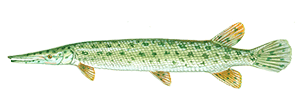
Florida Gar Overview
The Florida Gar (Lepisosteus Platyrhincus) is a fascinating and ancient-looking fish belonging to the family Lepisosteidae and order Lepisosteiformes. What sets this species apart is its distinctive tweezer-like snout and elongated body shape that falls somewhere between an eel-like and streamlined form. With olive-green backs, mottled black-brown sides accented by burnt gold hues, and bright white bellies, Florida Gar are truly striking to observe. Anglers and wildlife enthusiasts throughout Florida waters have long been captivated by these medium-sized predators, which are known for their aggressive hunting style and incredible air-breathing capabilities that allow them to thrive even in poorly oxygenated environments.
Florida Gar Habitat and Distribution
Florida Gar thrive in heavily vegetated freshwater and brackish environments, preferring areas where aquatic plants provide cover and hunting grounds. You'll typically find them in canals, lowland streams, muddy lakes, and river bends where water depths range from 4 to 10 feet. They're particularly fond of areas with dense weed growth and are native throughout Florida's river systems and coastal wetlands. These fish are masters of camouflage, often hovering motionless among vegetation waiting to ambush unsuspecting prey. The species can be found in tidal mouths where freshwater meets saltwater, as well as in deeper river bends and submerged structures. For anglers in Florida, prime locations include canal systems, cypress swamps, and areas near fish cleaning stations where dead fish remains attract hungry gars.
Florida Gar Size and Weight
Among gar species, the Florida Gar is considered medium-sized, making it an exciting catch for recreational anglers. The average specimen ranges from 26 inches to 52 inches in length, with most fish weighing between 3 to 9 pounds. This size range makes them manageable yet powerful enough to provide an engaging fight on the line. While they're smaller than their Alligator Gar cousins, their compact build houses surprising strength and aggression. Juvenile Florida Gar are noticeably smaller but identifiable by dark stripes running along their backs and sides, whereas adults display the characteristic mottled coloration with faded yellow fin tips transitioning to dark brown toward the base.
Florida Gar Diet and Behavior
Florida Gar are ambush predators with surprisingly sophisticated hunting techniques. Adult fish primarily feed on smaller fish, crayfish, and shrimp, using their specialized snouts to snap up prey with precision. Young Florida Gar begin their dietary journey consuming zooplankton and insect larvae before graduating to larger prey. Once a target is spotted, these gars execute a coordinated head-thrashing maneuver to position prey before swallowing it whole—a feeding strategy refined over millions of years of evolution. Their polygamous reproduction system means females can be fertilized by multiple males during spawning, ensuring genetic diversity in populations. One of their most remarkable adaptations is a functional air bladder that permits them to gulp atmospheric oxygen, allowing them to inhabit waters where other fish would struggle to survive. During dry seasons, they exhibit aestivation, burrowing into wet areas to wait out drought conditions.
Florida Gar Spawning or Seasonal Activity
Florida Gar spawning typically occurs in spring when water temperatures rise and flooded vegetation provides ideal nursery habitat. Females produce adhesive eggs that stick to aquatic plants, and the polygamous breeding system ensures that multiple males fertilize a single female's egg batch. This reproductive strategy increases genetic variation and population resilience. The species shows heightened activity during warmer months, making late spring through early fall the peak season for angling. During cooler winter periods, they become less active but remain catchable in deeper, more stable water bodies. Seasonal variations in water depth and vegetation density directly influence their accessibility to anglers, with summer providing the most reliable opportunities.
Florida Gar Techniques for Observation or Capture
Method 1: Live Bait Casting — Bring live shrimp or crayfish to your chosen fishing location and hook them on single, treble, or Kahle hooks. Cast near dense vegetation and submerged structures where Florida Gar ambush prey. Let your line rest on the bottom or suspend it at mid-depth. These aggressive fish will strike with intensity, so keep your rod tip ready and don't reel immediately—let them take line as they thrash, which helps set the hook deeper into their hard mouths. Once you feel solid tension and believe the hook is engaged, begin a steady retrieval. Expect a spirited fight; these fish are powerful swimmers that will test your patience and skill.
Method 2: Fish Remains Strategy — Visit local boat ramps, piers, or fish cleaning stations where anglers process their catches. Florida Gar are scavengers that love fresh fish guts and entrails. Ask other anglers for discarded remains and use them as bait. Cast near the cleaning area and wait for hungry gars to investigate. This method requires minimal gear—even rope that's been melted on one end, frayed on the other, and attached to a wire leader can work effectively. When the gar bites, they often become entangled, making the hookup more reliable.
Method 3: Aggressive Line Work — Some experienced anglers forego traditional hooks entirely, using heavy line or braided cord as their primary tool. The rough surface and movement imitate struggling prey. Cast methodically and use erratic retrieves to provoke strikes. In areas around Florida's major river systems and canal networks, this technique proves surprisingly effective. Around coastal bends and tidal mouths, early morning and late evening provide the calmest conditions and highest activity levels.
Florida Gar Culinary or Utilization Notes
Florida Gar are generally not considered a prime food fish, with culinary quality rated as poor odds. Their tough, gar-like texture and limited commercial market appeal mean most anglers practice catch-and-release. However, in some cultural traditions, gar roe (eggs) has been processed into a form of caviar, though this is exceedingly rare in modern times. The primary value of Florida Gar lies in their ecological role as apex predators that help maintain balance in freshwater and brackish ecosystems. Additionally, they serve as an exciting recreational angling target, offering sport fishers a memorable experience rather than a table dinner. Their resilience and ancient lineage make them valuable for scientific study and environmental monitoring.
Florida Gar Frequently Asked Questions
Q: What is the best bait or technique for catching Florida Gar?
A: Live shrimp, crayfish, and fresh fish remains are your top choices. Kahle hooks, treble hooks, or single hooks work well for snagging their tweezer-like snouts. Don't set the hook immediately—let them take line and become entangled first, then retrieve steadily. Some anglers even use melted and frayed rope with success. The key is patience and allowing the fish to run initially.
Q: Where can I find Florida Gar near Florida?
A: Look for heavily vegetated canals, lowland streams, muddy lakes, and river bends with depths of 4–10 feet. Coastal tidal mouths where freshwater meets saltwater, cypress swamps, and fish cleaning stations at boat ramps are all reliable spots. The fish prefer areas with dense aquatic vegetation and low-oxygen water that other species avoid.
Q: Is Florida Gar good to eat?
A: Not really. They're rated as poor odds for culinary use due to their tough texture and limited flavor appeal. Most anglers practice catch-and-release, valuing them primarily as sport fish. They're better appreciated for their ecological importance and the exciting challenge they provide to recreational fishers.
Q: When is the best time to catch Florida Gar?
A: Spring through early fall offers peak activity, with summer providing the most reliable opportunities. Early morning and late evening are prime windows for strikes. Warmer water temperatures correlate with increased feeding aggression, making May through September ideal for targeting this species.
Q: How do I identify a Florida Gar from other gar species?
A: Florida Gar are distinguished by their mottled black-brown coloration with burnt gold accents and prominent dark spots. Their long-nosed cousins, the Longnose Gar, share similar body structure but lack these characteristic spots. Adult Florida Gar display olive-green backs and squared tails, while juveniles show distinctive dark stripes along their sides.
Q: Are Florida Gar legal to keep as pets?
A: Florida Gar are not advisable as pets due to their aggressive nature and specialized habitat requirements. In some U.S. states and regions, permits are required to possess them. Always check local regulations before attempting to capture or keep any gar species.