%2Ffit-in%2F250x250%2Fguide_websites%2F3223%2Fimages%2Ftemplogossheet.png&w=1920&q=100)
Bowfin Caught Fishing in Weston FL
Bowfin Fishing in Weston - What to Expect
%2F%2Fusers%2F52ead6b2-94da-463f-893f-82d41f1c3546%2Fimages%2Fbowfin-catch-weston-florida-fishing-2654.jpg&w=1920&q=75)
Guided Fishing Trip by Guide Jonathan Michailiuk in July

Meet your Guide Jonathan Michailiuk
- Kayak and fish in peaceful Florida canals


Summary
On Monday, July 6th, a guided fishing trip in Weston, Florida brought a memorable bowfin catch to the boat deck. The Everglades waters delivered an exciting encounter with this powerful and resilient freshwater species, showcasing why local fishing experiences around Weston remain a top destination for anglers seeking authentic action.
Guided Fishing with Jonathan Michailiuk - Rates & Booking
Guide Jonathan Michailiuk of Swampdog Tours led this guided fishing trip on Monday, July 6th in the Weston area. The experience showcased what makes local Everglades fishing so rewarding for both beginners and experienced anglers. To book your own adventure or inquire about rates and availability, contact Swampdog Tours directly for personalized trip planning.
Highlights of Weston Bowfin Fishing
This trip delivered exactly what makes Everglades fishing unique: close encounters with species that thrive in these iconic waters. The bowfin landed on this day represents one of the more spirited fighters anglers can encounter in Florida freshwater systems. The Everglades environment provides the perfect backdrop for pursuing these fish, with diverse habitat and consistent action throughout the season.
What stands out about fishing in this region is the combination of genuine wildlife experience and the skill required to successfully land quality fish. The shallow waters and natural channels create an intimate fishing environment where anglers can actively work the water rather than simply waiting for bites.
Local Species Insights: Bowfin
Bowfin are among the most resilient and adaptable freshwater species in Florida waters. These fish thrive in the shallow, weedy environments that define much of the Everglades ecosystem. What makes them particularly interesting to anglers is their aggressive feeding behavior and powerful runs when hooked. A bowfin will test your skills and your equipment, making each catch feel genuinely earned.
These fish prefer areas with dense vegetation and shallow water columns, which is exactly what Weston and the surrounding Everglades offer in abundance. They're most active during warmer months, and their presence indicates a healthy, oxygen-rich environment. When you land a bowfin, you're connecting with a species that has remained virtually unchanged for millions of years, making them living links to prehistoric freshwater ecosystems.
The Everglades waters around Weston provide ideal conditions for pursuing bowfin. The mix of open water and vegetated channels allows guides to systematically work productive areas. Whether using live bait or artificial lures, anglers quickly learn that bowfin demand respect and technique. This is part of what makes a guided trip valuable - experienced guides know exactly where to find these fish and how to present offerings that trigger strikes.
Part of the appeal is that every bowfin is different. Some will hit aggressively at the first opportunity, while others require patience and finesse. The unpredictability keeps anglers engaged and makes successful catches memorable. Having a bowfin fight its way to your boat represents real angling achievement rather than a foregone conclusion.
Fishing in Everglades: Bowfin
Bowfin Overview
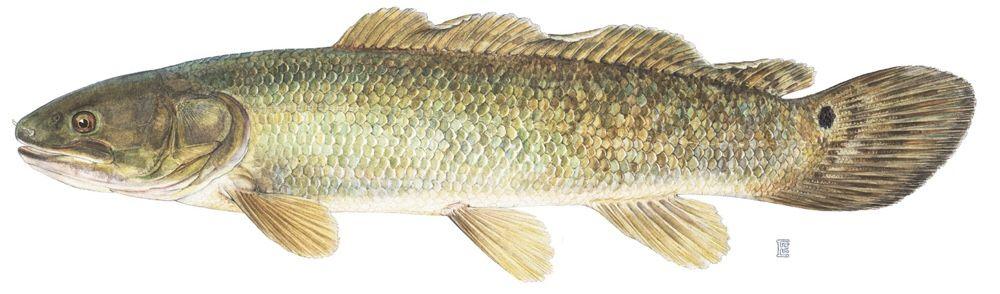
The Bowfin (Amia Calva) is a fascinating primitive fish belonging to the family Amiidae and order Amiiformes. Often called a "living fossil," this remarkable species has remained virtually unchanged since the Jurassic Era, making it one of North America's most ancient fish species. Known for its aggressive behavior, powerful fighting ability, and unique dual-breathing capability, the Bowfin is a prized catch among adventurous anglers seeking an unforgettable experience. Despite being labeled "trash fish" by some recreational fishermen, Bowfin deserve respect for their prehistoric lineage and exceptional adaptability to challenging freshwater environments.
Bowfin Habitat and Distribution
Bowfin thrive in lakes and rivers throughout eastern North America, particularly in areas rich with aquatic vegetation where they can hide and hunt. These resilient fish inhabit marshlands, wetlands, brackish waters, river cutoffs, and floodplains. What makes them truly remarkable is their ability to survive in drained floodplains and slow-moving streams by breathing air and storing oxygen in their blood—an evolutionary advantage few modern fish possess. They are native to North America and commonly found in freshwater systems from the Great Lakes region down through the Mississippi River drainage and into coastal states, making them accessible to anglers in numerous regions.
Bowfin Size and Weight
Bowfin display significant sexual dimorphism in size. Females can reach impressive lengths of up to 30 inches and weigh approximately 8.5 pounds, while males typically grow to 18–24 inches. However, the largest recorded Bowfin ever caught measured 34.3 inches in length and weighed 21 pounds, representing the upper range of what modern anglers might encounter. Most sport-caught specimens range between 20–43 inches, with weights spanning from 12–21 pounds, making them formidable opponents during a fishing battle.
Bowfin Diet and Behavior
These carnivorous predators have voracious appetites and will attack virtually any available prey. Bowfin feed extensively on freshwater crayfish, speckled perches, catfish, and other game fish species, which is why some anglers view them as competition rather than a prize catch. Their large mouths are equipped with multiple rows of sharp teeth designed for gripping and tearing flesh. One of the most distinctive behavioral traits is their nocturnal feeding preference—they are most active hunters during nighttime hours, making evening and night fishing expeditions ideal for pursuing this species. Bowfin are incredibly aggressive and will not hesitate to strike at prey or defend their territory, earning their reputation as fierce fighters both underwater and on the line.
Bowfin Spawning and Seasonal Activity
Bowfin spawn during spring months, with males establishing and fiercely defending nesting territories in shallow vegetated areas. Males typically build nests in shallow water and exhibit exceptional parental behavior, guarding eggs and young fry against predators and competing males. This breeding aggression contributes to their reputation as combative fighters. Spawning season triggers peak activity levels, making spring an excellent time for anglers seeking exciting encounters. Post-spawn, Bowfin remain active throughout warmer months, though they become less predictable during extreme heat. Fall brings renewed feeding intensity as they prepare for winter, making autumn another productive fishing period.
Bowfin Techniques for Observation or Capture
Method 1: Live Bait Fishing in Vegetated Areas
The most effective approach for catching Bowfin involves using live bluegill or other small fish as bait. Many experienced anglers remove the fins from the baitfish to increase the scent dispersal and trigger aggressive strikes. Cast your rigged bait into thick vegetation, fallen timber, or weed beds where Bowfin typically hide. Use a slip sinker rig to position your bait near the bottom where these fish prefer to hunt. Allow the bait to work naturally, and be prepared for violent strikes—set your hook with authority when you detect a bite.
Method 2: Bowfishing with Specialized Equipment
For a thrilling hunting experience, try bowfishing, a specialized sport named after this aggressive species. Using a fishing bow with specialized arrows equipped with barbed tips and line, anglers hunt Bowfin in shallow waters during daylight hours when visibility permits. This method is particularly effective in marshes and shallow lakes where fish are clearly visible. Around the Great Lakes region and throughout the upper Mississippi River system, bowfishing outfitters offer guided tours designed specifically for pursuing Bowfin, combining the ancient art of archery with modern adventure fishing.
Method 3: Nocturnal Lure Fishing
Since Bowfin are nocturnal feeders, night fishing with topwater lures, crankbaits, or soft plastic baits can be highly productive. Cast along weed lines, submerged structures, and channel edges after sunset. The excitement of surface strikes in darkness creates an adrenaline-pumping experience that few other freshwater species can match. Bring a good headlamp and wear appropriate safety gear when fishing waters you're unfamiliar with during nighttime hours.
Bowfin Culinary and Utilization Notes
The edibility of Bowfin remains highly controversial and largely an acquired taste. While some regional cuisines—particularly in the American South—prepare smoked Bowfin as a delicacy, others describe the meat as "palatably passable" at best. The primary culinary challenge is the exceptional number of small bones throughout the fish, requiring significant effort to clean and debone. Additionally, Bowfin's primitive physiology allows them to accumulate heavy metals and toxins like mercury, chromium, and arsenic more readily than modern fish species, leading many health experts to recommend limiting consumption. If you do choose to eat Bowfin, smoking remains the preferred preparation method. Most modern anglers now practice catch-and-release, valuing Bowfin for their sporting qualities and ecological significance rather than as a food source.
Bowfin Frequently Asked Questions
Q: What is the best bait for catching Bowfin?
A: Live baitfish—particularly bluegill, shiners, or shad—work exceptionally well. Many anglers remove the fins from their bait to enhance scent dispersal and trigger more aggressive strikes. Cut baitfish and fresh crayfish also produce excellent results. The key is selecting oily, fragrant baits that release plenty of scent into the water.
Q: Where can I find Bowfin near major freshwater lakes?
A: Bowfin inhabit most large lakes and river systems throughout eastern North America, with particularly strong populations in the Great Lakes region, the Mississippi River drainage, and throughout the Southeast. Search for them in vegetated shallows, marshes, weed beds, and backwater areas where you can find dense aquatic plants. Local fishing guides and state wildlife resources can direct you to specific hotspots in your region.
Q: Is Bowfin good to eat?
A: While some people praise smoked Bowfin as delicious, others find the meat disappointing due to the abundance of small bones and acquired taste profile. More importantly, these ancient fish accumulate heavy metals and toxins more readily than modern species, making frequent consumption inadvisable from a health perspective. Most anglers practice catch-and-release to preserve this living fossil.
Q: When is the best time to catch Bowfin?
A: Spring and fall offer the best fishing opportunities as Bowfin feed intensively during these seasons. Since they are primarily nocturnal feeders, nighttime fishing yields the most consistent results year-round. Spring spawning season brings especially aggressive behavior and strikes.
Q: Are Bowfin dangerous to anglers?
A: Yes, Bowfin possess sharp teeth and strong jaws capable of inflicting serious bites. Never place your hands near a Bowfin's mouth, and always handle them with appropriate tools like net guards or fishing gloves. Their aggressive temperament means they may bite if they feel threatened.
Q: What makes Bowfin such prehistoric fish?
A: Bowfin have remained virtually unchanged since the Jurassic Era—over 150 million years—making them true "living fossils." Their primitive respiratory system allows them to breathe both air and water and store oxygen in their blood, an adaptation that modern fish species lack. Their skeletal structure, fin configuration, and overall physiology reflect their ancient lineage, which is why scientists consider them among North America's most important living representatives of prehistoric fish evolution.